Adding space to a home is one of the most significant investments a homeowner can make. Across North Jersey and Central Jersey, many homeowners are choosing additions instead of relocating, especially in communities where inventory is limited and property values remain strong.
Whether the goal is creating a larger kitchen, adding a family room, building a primary suite, expanding for multi-generational living, or increasing long-term property value, home additions require careful planning, structural coordination, and experienced project management.
Unlike cosmetic remodeling projects, additions involve a combination of architecture, engineering, zoning compliance, excavation, framing, utilities, roofing integration, and interior finishing. Because of this complexity, homeowners throughout Morris County, Bergen County, Essex County, Passaic County, Union County and surrounding Central Jersey communities such as Somerset County benefit from understanding the process before construction begins.
This guide explains how home additions in North and Central Jersey work, what impacts cost and timelines, and how to plan a successful expansion that complements both your home and lifestyle.
Why More Homeowners Are Choosing Additions Instead of Moving
Many homeowners across North and Central Jersey are choosing to expand their current homes rather than enter a competitive housing market.
In established New Jersey neighborhoods, homeowners often already have:
- Desirable school districts
- Long-term neighborhood connections
- Larger lots
- Convenient commuting access
- Significant equity in their current homes
Instead of relocating, additions allow homeowners to improve functionality while remaining in the location they already enjoy.
Home additions are commonly used to:
- Increase living space
- Improve home flow and layout
- Accommodate growing families
- Add guest or in-law accommodations
- Create dedicated office or flex spaces
- Improve resale value
When designed correctly, additions can feel like a natural extension of the original home rather than a disconnected expansion.
Understanding the Different Types of Home Additions
Home additions in North and Central Jersey vary widely depending on property size, zoning limitations, and homeowner goals.
Room Additions
Single-room additions are among the most common expansion projects and are often used to enlarge kitchens, create family rooms, or add home offices.
These home additions in north and central Jersey typically connect directly to the existing footprint and require careful integration with the home’s structural systems, roofing, and exterior finishes.
Second-Story Additions
In neighborhoods where lot space is limited, homeowners often expand vertically rather than outward.
Second-story additions can significantly increase living space without reducing yard area, but they require extensive structural evaluation to ensure the existing foundation and framing can support the added load.
Because of the engineering involved, these projects require detailed planning and coordination.
Primary Suite Additions
Many older homes throughout North and Central Jersey were not originally built with large primary bedrooms or modern en-suite bathrooms.
Primary suite additions often include:
- Larger bedroom layouts
- Walk-in closets
- Expanded bathrooms
- Improved privacy from the main living areas
These projects are especially popular in homes undergoing long-term modernization.
In-Law Suites & Multi-Generational Additions
As multi-generational living becomes more common, homeowners are increasingly building additions designed for extended family accommodations.
These spaces may include:
- Separate entrances
- Kitchenettes
- Full bathrooms
- Dedicated living areas
Proper planning is critical to ensure zoning compliance and long-term functionality.
Planning Successful Home Additions in North and Central Jersey
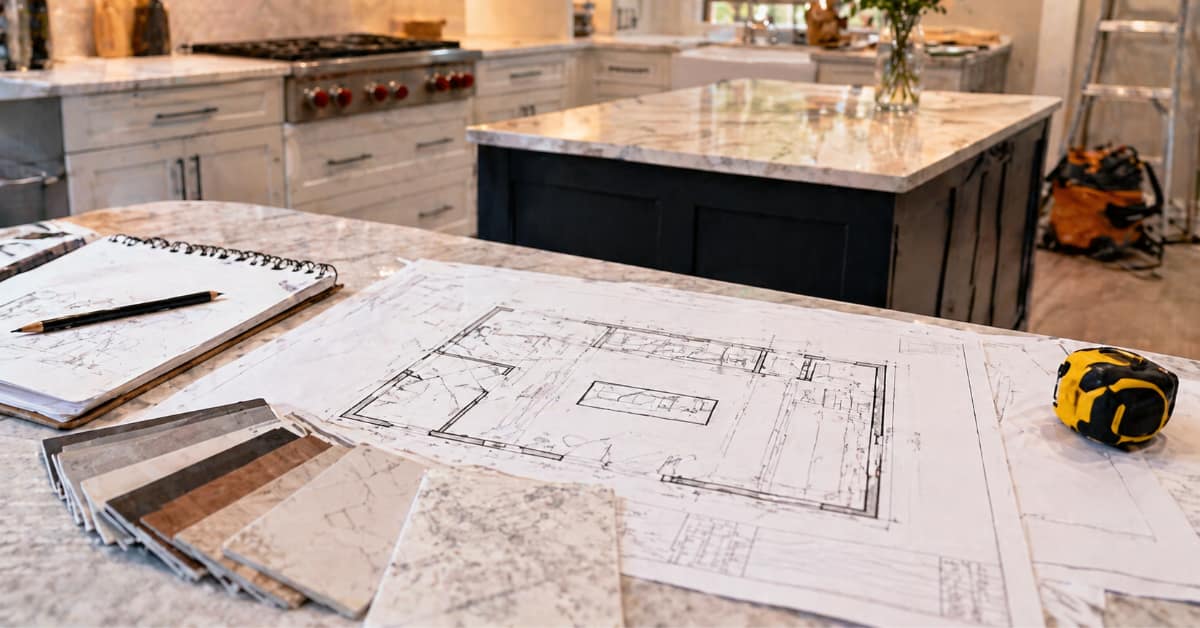
One of the biggest mistakes homeowners make is approaching home additions in North and Central Jersey like a standard remodeling project. Additions require much more extensive planning because they affect both the structure and overall performance of the home.
Home additions involve multiple stages that must work together efficiently to keep the project moving forward. The visual below highlights the typical process homeowners can expect when planning and building a home addition in North and Central Jersey.

From early planning and permitting to framing, utility installation, and final finishes, each stage plays an important role in the overall success of a home addition project. Proper coordination throughout the process helps improve efficiency, reduce delays, and ensure the new space integrates seamlessly with the existing home.
A successful home addition begins with clearly defining:
- How the space will be used
- Long-term family needs
- Budget expectations
- Property limitations
- Structural feasibility
Projects that begin with detailed planning are far more likely to stay on schedule and within budget.
Many homeowners researching home additions in North and Central Jersey want to better understand zoning restrictions, permit requirements, project timelines, and how an addition may impact long-term property value before moving forward with construction.
How Zoning Impacts Home Additions in North & Central Jersey
Zoning regulations play a major role in determining what type of addition can be built.
Each municipality throughout North and Central Jersey enforces its own requirements regarding:
- Setbacks
- Lot coverage
- Building height
- Property lines
- Drainage considerations
These rules vary significantly between municipalities, making local experience extremely important.
Before construction begins, homeowners should understand that zoning approval often affects:
- Addition size
- Placement
- Height limitations
- Structural design options
For official building guidance, homeowners can reference the New Jersey Department of Community Affairs – Division of Codes and Standards.
Structural Considerations for Home Additions
Home additions require careful structural integration with the existing home.
Older homes throughout Essex County, Morris County, Bergen County, Union County, Passaic County and Somerset County may contain framing methods or foundations that differ from modern construction standards.
Structural planning may involve:
- Foundation reinforcement
- Beam installation
- Roofline integration
- Floor leveling adjustments
- Load-bearing wall modifications
The goal is to ensure the addition feels cohesive while maintaining long-term structural integrity.
How Additions Affect the Existing Home
One of the most overlooked aspects of a home addition is how the new space affects the rest of the house.
Poorly planned additions can create:
- Awkward traffic flow
- Uneven rooflines
- Natural lighting imbalances
- HVAC inefficiencies
- Exterior design inconsistencies
Well-designed additions should improve overall functionality—not simply add square footage.
Utility and Mechanical System Upgrades
Expanding a home often requires updates to supporting systems.
Depending on the scope of the addition, homeowners may need:
- Electrical panel upgrades
- HVAC expansion
- Plumbing extensions
- Additional insulation
- Ventilation improvements
These upgrades are especially common in older homes that were not designed to support larger living areas or modern energy demands.
For energy-efficiency guidance, homeowners can review the U.S. Department of Energy – Energy Saver Program.
What Impacts the Cost of a Home Addition?
The cost of home additions in North and Central Jersey depends on far more than square footage alone. The cost of home additions in North and Central Jersey depends heavily on structural complexity, utility upgrades, material selections, and municipal requirements.
Several major factors influence pricing, including:
- Structural complexity
- Foundation requirements
- Roofing integration
- Utility upgrades
- Material selections
- Site accessibility
- Permit requirements
- Interior finish level
Second-story additions and projects involving major structural modifications typically require more engineering and labor than standard room expansions.
For broader budgeting insight, see Cost to Remodel a Home in North Jersey: What Impacts Pricing the Most.
How Long Do Home Additions Take?
Because additions involve excavation, framing, utilities, inspections, and interior finishing, timelines are longer than most remodeling projects.
Project duration depends on:
- Design complexity
- Permit approvals
- Material lead times
- Weather conditions
- Structural requirements
Larger additions involving multiple trades or second-story construction generally require more coordination and inspection scheduling.
For more timeline guidance, see How Long Does a Home Remodel Take in North Jersey? Real Project Timelines.
Permits and Inspections for Home Additions
Nearly all home additions require permits and multiple inspections throughout construction.
These projects typically involve:
- Structural permits
- Electrical permits
- Plumbing permits
- Mechanical permits
- Framing inspections
- Final inspections
Permit requirements ensure additions comply with current safety and building standards.
For additional guidance, see Home Remodeling Permits in North Jersey: What Homeowners Need to Know Before Construction Begins.
Common Home Addition Mistakes to Avoid
Home additions are major projects, and planning mistakes can create long-term issues if not addressed early.
The most common problems include:
- Designing only for immediate needs
Additions should support long-term functionality and future resale value. - Ignoring how the addition affects the home flow
Poor transitions between old and new spaces can make layouts feel disconnected. - Underestimating structural requirements
Additions often require more engineering than homeowners expect. - Failing to plan for utility upgrades
Existing electrical or HVAC systems may not support the expanded space. - Choosing contractors without additional experience
Additions require specialized coordination beyond standard remodeling.
Proper planning helps prevent expensive corrections later in the project.
Designing Additions That Match the Existing Home
One of the biggest goals in any addition project is creating a seamless appearance between the original home and the new space.
A successful addition should align with:
- Rooflines
- Exterior materials
- Window proportions
- Interior transitions
- Flooring continuity
- Architectural style
When additions are integrated properly, they enhance the home rather than appearing separate from it.
Home Additions and Long-Term Property Value
Well-designed additions can significantly improve property value in competitive North and Central Jersey real estate markets.
Additional living space often increases:
- Functional flexibility
- Buyer appeal
- Long-term livability
- Overall marketability
Projects that are properly permitted and professionally integrated typically deliver stronger long-term value.
Serving North Jersey & Central Jersey Communities
Home addition requirements vary based on municipality, lot conditions, and home style.
Morgan Contractors provides home addition services throughout North Jersey and Central Jersey, including:
- Morris County
- Bergen County
- Essex County
- Passaic County
- Union County
- Surrounding Central Jersey communities
Local experience helps ensure projects align with zoning requirements, construction standards, and neighborhood expectations.
Expand Your Home with Confidence
Home additions in North and Central Jersey require detailed planning, structural expertise, and experienced project coordination.
Morgan Contractors provides full-service indoor and outdoor residential and commercial improvements across both regions, delivering thoughtful design, quality craftsmanship, and reliable project management.
Whether you’re planning a room addition, second-story expansion, primary suite, or multi-generational living space, our team can help you create an addition that improves both functionality and long-term value.
If you’re considering a home addition in North Jersey or Central Jersey, Morgan Contractors can help guide your project from planning through construction completion. Contact us today.